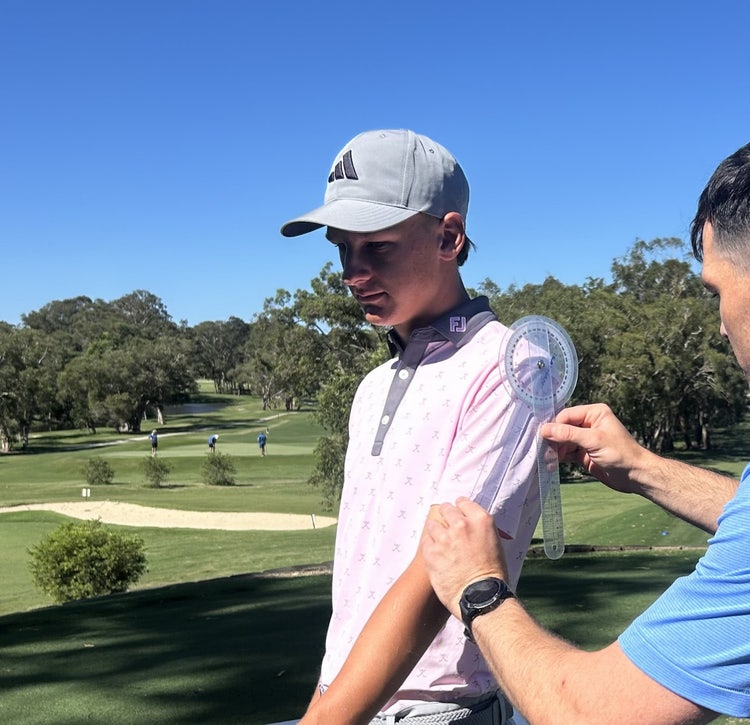
Why Classifiers Matter in Golf for Athletes with a Disability
At the heart of fair and inclusive sport for athletes with an impairment lies classification, the system that enables athletes to compete on a level playing field. In Golf for Athletes with a Disability, classifiers are trained, certified, and impartial experts who ensure that, when athletes step onto the tee, their competition is fair, meaningful, and based on sporting ability rather than impairment.
Classification protects the integrity of competition by grouping athletes based on the impact of their eligible impairment(s) on their ability to perform the fundamental skills required in golf. This ensures that success depends on training, technique, and mental focus, not on disparities in functional ability.
What are their Roles and Responsibilities
Athlete Evaluation & Sport-Class Assignment
- Classifiers assess whether an athlete has an eligible impairment, and if that impairment meets the sport’s Minimum Impairment Criteria.
- Through detailed medical, functional, and technical assessment — followed by observation if needed — they assign each athlete to the appropriate sport class and sport-class status. This process ensures that athletes are grouped with peers who have comparable functional abilities.
Ensuring Impartiality & Consistency
- Classifiers are trained, certified and subject to a Code of Conduct defined by the IPC and IGF.
- Every classification takes place under multi-member panels, ensuring decisions are objective, transparent and in line with international standards.
Education, Guidance & Support
- Classifiers help educate athletes, coaches and national federations about the classification system: what it means, how it works, and why it matters.
- They support the ongoing maintenance of classification integrity — including reviewing re-classifications, changes in impairment, and monitoring adaptive equipment if applied.
Research & Development of Classification System
- Head classifiers and governing bodies are responsible for maintaining a classification system that evolves with science, impairment definitions and best practice.
- Classifiers contribute to data collection, research, and evidence-based refinement of classification rules — ensuring para-golf stays fair, relevant and medically sound.
What Makes a Classifier: Skills, Training & Ethical Standards
Classifiers in Golf for Athletes with a Disability come from diverse backgrounds — physiotherapists, medical professionals, sport scientists, coaches, or experts with sport-specific knowledge. What unites them is:
- Completion of accredited training and certification under IGF and IPC standards.
- Ongoing professional development and re-certification to stay abreast of changes in classification science and methodology.
- Commitment to impartiality, confidentiality, and the ethical standards set out in the Classification Code.
Become a Part of the Para-Golf Classification Team
If you are a medical professional, sport scientist, physiotherapist, coach or experienced in disability sports, and feel committed to fairness, inclusion and sporting excellence, we encourage you to consider classifier training.
As a classifier for Golf for Athletes with a Disability you will:
- Receive accredited training and certification under IGF and IPC standards.
- Play a pivotal role in ensuring fair and meaningful competition for athletes with a disability.
- Contribute to the evolution of Golf for Athletes with a Disability classification, helping shape the sport’s future and opportunities for all.
Contact IGF for more information about classifier pathways, training dates and certification requirements.
Classifier Well-being: A Priority for Fair Golf for Athletes with a Disability
Classification Personnel are essential to fair and inclusive Golf for Athletes with a Disability. Their work requires not only technical and medical competence, but also ethical integrity, mental alertness, and emotional resilience. As such, their well-being is vital for a fair, trustworthy classification system.
At IGF, we recognise that fair competition is based on trust, which relies on the people who manage the classification system. By supporting classifiers' well-being through our safeguarding strategy, we protect the fairness, quality, and longevity of Golf for Athletes with a Disability classification. We value the dedication of classifiers worldwide and pledge to support their professionalism and mental health every step of the way.